
🎓Core English
Build confidence speaking and understanding English for university
Types of Adjectives
Learn with a university lecturer with vast experience preparing students for success at university
Home > core English > adjectives
The different types of adjectives range in their use but we start with some basic examples, opposites, comparatives and superlatives.
Contents
Types of Adjectives
What is an Adjective?
To add more information to a word, to describe
- the blue pen
- John is my best friend
- The big park was fun
- describing feelings (happy, sad, excited)
- physical characteristics (tall, short, thin)
- She is happy
- He is tall
- The sun is hot
- The cake is delicious
- The cat is soft
- The balloon is red
size
- big
- small
- large
- huge
- little
- short
- tall
- tiny
texture
- soft
- hard
- smooth
- rough
- slippery
- crunchy
- silky
- wooden
shape
- circle
- square
- line
- round
- wide
- flat
- straight
- curved
feelings
- angry
- happy
- funny
- kind
- silly
- sweet
- gentle
- sad
time
- fast
- slow
- late
- old
- swift
- quick
- ancient
- new
Adapted from Vendantu
Opposite Adjectives
- The elephant is big, but the mouse is small.
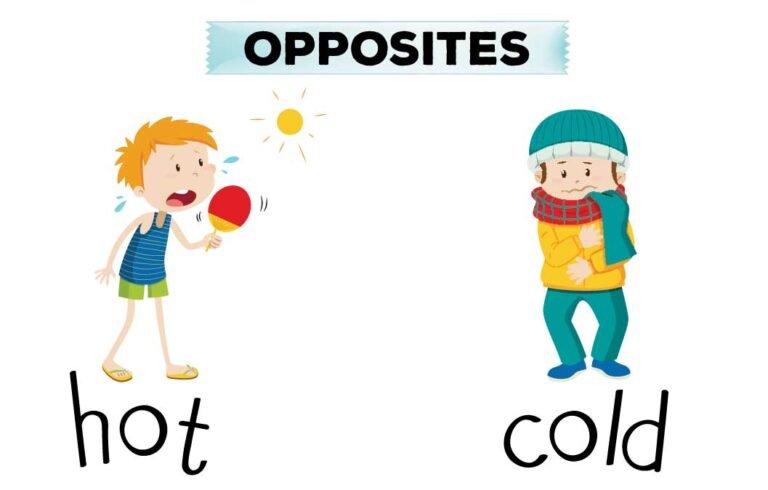
- In summer, the weather is hot, but in winter, it’s cold.
- She was happy when she received a gift, but she became sad when it broke.
- The dishes are clean after washing, but they become dirty after a meal.
- My grandmother is old, but my little brother is young.
- Long – Short
- Big – Small
- Tall – Short
- Heavy – Light
- Fast – Slow
- Hot – Cold
- Hard – Soft
- Loud – Quiet
- High – Low
- Thick – Thin
- Rich – Poor
- Happy – Sad
- Strong – Weak
- Full – Empty
- Open- Closed
- Clean – Dirty
- Old – Young
- Wet – Dry
- Wide – Narrow
- Expensive – Cheap
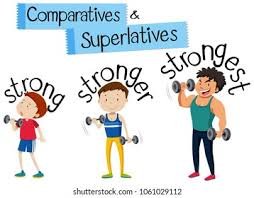
comparative adjectives and superlative adjectives
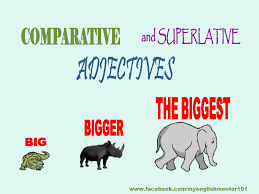
adjective
- high
- big
- fast
- (good)
- (bad)
word
- cute
- big
- short
- sweet
- shiny
magnificent
comparative
- higher
- bigger
- faster
- better
- worse
-er
- cuter
- bigger
- shorter
- sweeter
- shinier
more magnificent
superlative
- highest
- biggest
- fastest
- best
- worst
-est
- cutest
- biggest
- shortest
- sweetest
- shiniest
most magnificent
Types of Adjectives to Describe How You Feel
These are a type of adjective called ‘descriptive adjectives’. Although we do not list these and other types of adjectives in this lesson, if you do want to see the types of adjectives, they are listed at the bottom of the page.
Feelings
Positive Words
amazed
attractive
bold
brave
bubbly
cheerful
comfortable
delightful
excited
festive
free
jolly
optimistic
proud
wonderful
Negative Words
aggravated
awful
chilly
dejected
dirty
dreadful
heavy
irritated
pessimistic
tearful
tense
terrible
tired
ugly
weak
Context-Specific Words
anxious
awestruck
bashful
cautious
composed
easygoing
horrified
intelligent
numb
puzzled
quizzical
ravenous
reluctant
settled
shy
Emotions
Positive Words
appreciative
blissful
contented
ecstatic
elated
glad
happy
joyful
jubilant
merry
respectful
sweet
serene
upbeat
vivacious
Negative Words
angry
disenchanted
distressed
glum
gloomy
grumpy
grouchy
miserable
mad
moody
nervous
sad
sadistic
selfish
sour
Context-Specific Words
accepting
calm
confident
cool
earnest
easy
evenhanded
indifferent
neutral
nostalgic
passive
reserved
satisfied
sentimental
surprised
Tones
Positive Words
agreeable
bright
clever
encouraging
fresh
gentle
hopeful
kind
loving
open
pleased
supportive
sympathetic
warm
Negative Words
annoyed
bitter
disgruntled
disgusted
evil
guilty
hostile
hurtful
nasty
obnoxious
oppressive
overbearing
resentful
sarcastic
Context-Specific Words
acerbic
ambivalent
ardent
cautionary
conciliatory
knowledgeable
mysterious
pragmatic
regretful
resigned
satirical
secretive
solemn
strong
Congratulations - go to the next lesson!
---------- END OF LESSON ----------
---------- ADVANCED ----------
Types of Adjectives
How a person (or thing) is described, or what qualities they have can be a descriptive, qualitative or attributive adjective
- The beautiful lady
- The brave man
- The foolish child
A quantitative adjective shows the amount or quantity of something
- There is not much left
- A little table
- Buy some bananas
Numeral adjectives indicate number, multiple of, or order in a sequence
- There is one apple. (definite numeral)
- There are some apples. (indefinite numeral)
- She came first.
- There are double doors.
A proper adjective is derived from a proper noun
- The Chinese language
- The Irish Sea
- The English Channel
A demonstrative adjective indicates the person or thing that is being referred
- This ball
- That ball
- Those balls
An interrogative adjective is used to ask a question.
- What is this?
- Which one would you like?
- Whose turn is it?
A possessive adjective shows who or what something belongs to
- Here is my book
- Here is your book
- There is their books.
A distributive adjective refers to one or more of a group
- A book was given to each student
- A book was given to every student
- Both were in trouble